

How to Plan Your Interior Design Budget
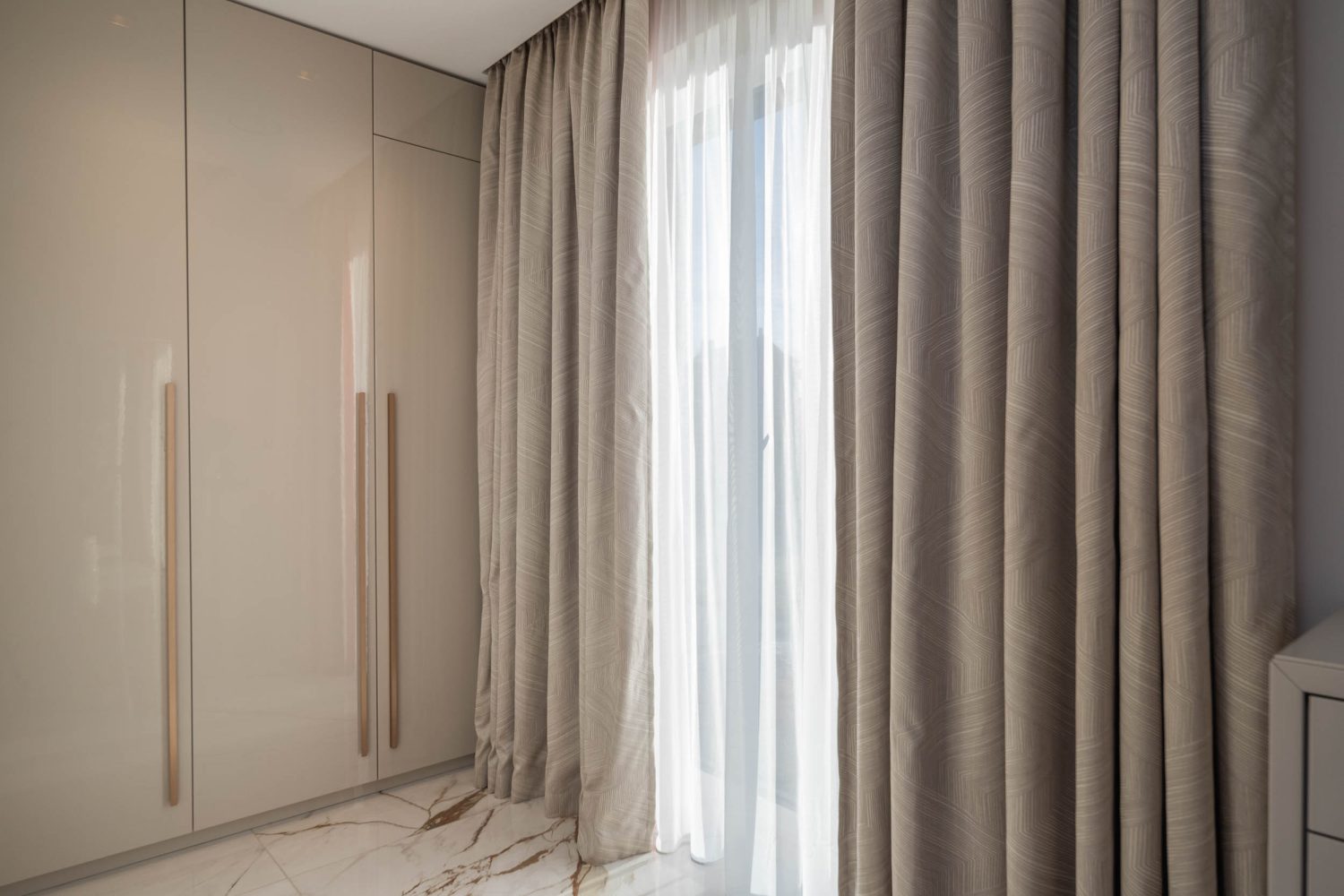
One of the questions I’m asked most often is how to plan an interior design budget without constantly having to increase it or compromise on important decisions as the project progresses.
Over the years, I’ve noticed that budget challenges often arise not because the initial amount was too small, but because it wasn’t allocated thoughtfully. Too much is spent in certain areas, leaving too little for other equally important elements towards the end of the project.
While every home is different, there are some general guidelines that can provide a useful starting point when deciding where to invest and where to be more considerate with your spending.
Interior Finishes – Around 30% of the Budget
I generally recommend allocating roughly a third of your overall interior budget to finishes. This includes preparing walls and floors, painting, flooring, tiling and other essential materials and installation work.
I often think of interior finishes as the canvas of a home. You might have the most beautiful sofa or a striking statement light, but poorly prepared walls, badly laid flooring or unsuitable materials will always affect the overall result.
Finishes are also among the most difficult elements to change later. Replacing a coffee table is relatively straightforward; replacing an entire floor is quite another matter. This is why I would always prioritise quality materials and good workmanship before investing in more elaborate decorative details.
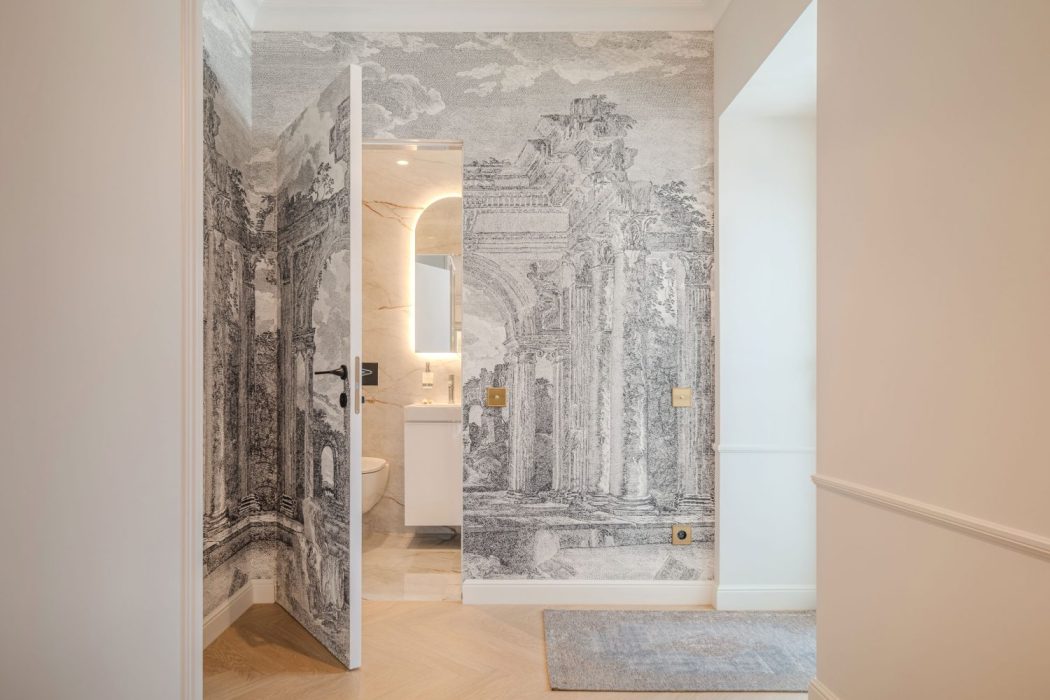
Interior When Classic Becomes Emotion
Plumbing and Bathroom Fittings – Around 15%
As a general guide, I would allow approximately 15% of the budget for plumbing and bathroom fittings. Particular attention should be paid to the elements you won’t see once the interior is complete – concealed plumbing systems, pipework, connections and other components hidden behind walls.
My rule here is simple: never cut corners on something that would be difficult to access or replace if it failed.
Choosing a good-quality tap or concealed shower system isn’t simply about the brand or appearance. These are components we rely on every day, and their durability and reliability matter far more in the long run than a small saving at the time of purchase.
If the budget is tight, I would much rather simplify the aesthetic than compromise on the quality of the underlying installation.
Furniture – Around 30%
Furniture will often account for another third of the overall budget. However, this is one area where priorities really matter, as not every piece deserves the same level of investment.
I would allocate a larger proportion to the kitchen and other bespoke fitted furniture designed to last for many years. A comfortable, well-made sofa and a good-quality mattress are also worth investing in, as they have a direct impact on everyday comfort.
Coffee tables, bedside tables or furniture for a guest bedroom that is rarely used, on the other hand, can be good opportunities to spend a little less. That doesn’t mean compromising on the overall look of your home.
The key is knowing which pieces will be used and appreciated every day, and which can be replaced more easily as your needs or tastes change.
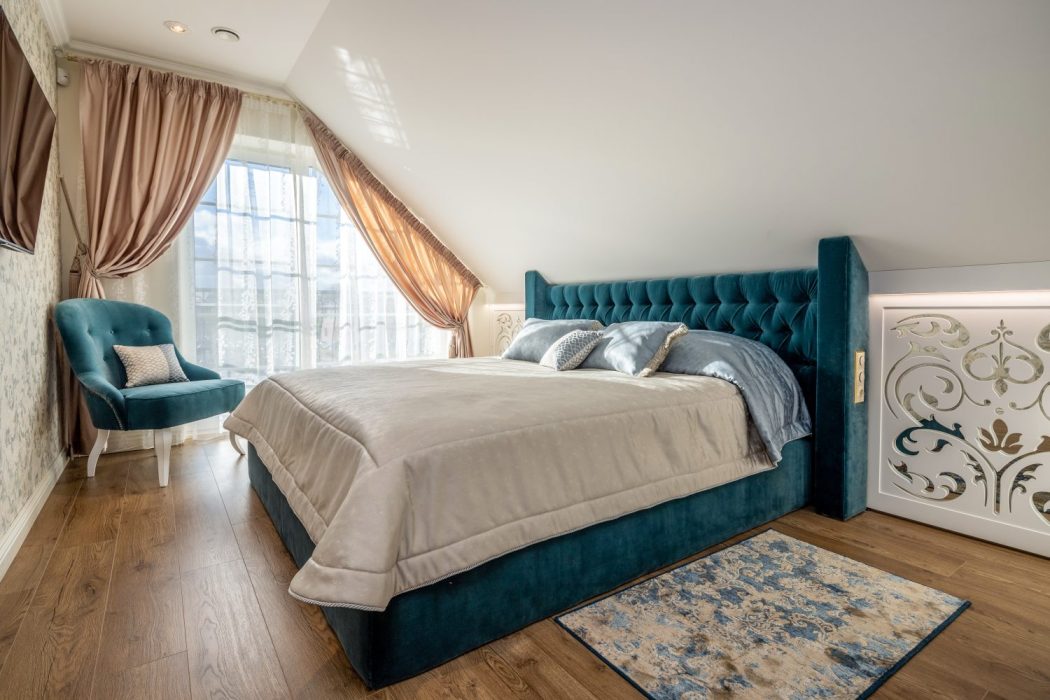
Interior Mature Harmony
Lighting – Around 10%
I would suggest setting aside around 10% of the budget for lighting. I like to think of lighting as the jewellery of an interior, although good lighting design is about much more than beautiful pendant lights.
The most important thing is to consider different layers of light and how a space will be used throughout the day. General lighting, practical task lighting, wall lights, table lamps and decorative fixtures all work together to create flexibility and atmosphere.
Thoughtfully designed lighting can also bring out the best in architectural features, materials and furniture. Sometimes, a simple piece of furniture looks far more impressive in a beautifully lit room than an expensive piece under poorly considered lighting.
So, if you’re looking to make savings, I wouldn’t compromise on the lighting plan itself. Instead, I would establish a clear lighting scheme first and then select fittings at different price points to suit the budget.
Decoration and Soft Furnishings – Around 5%
Around 5% of the overall budget can be reserved for decorative accessories and soft furnishings. This is also where you can allow yourself a little more flexibility.
Cushions, vases, smaller artworks, throws and decorative objects don’t all need to be purchased at once. In fact, I often find that a home feels more personal when these pieces are collected gradually.
You can look out for special finds in sales, mix investment pieces with more affordable accessories, or simply update smaller details as the seasons and your tastes change.
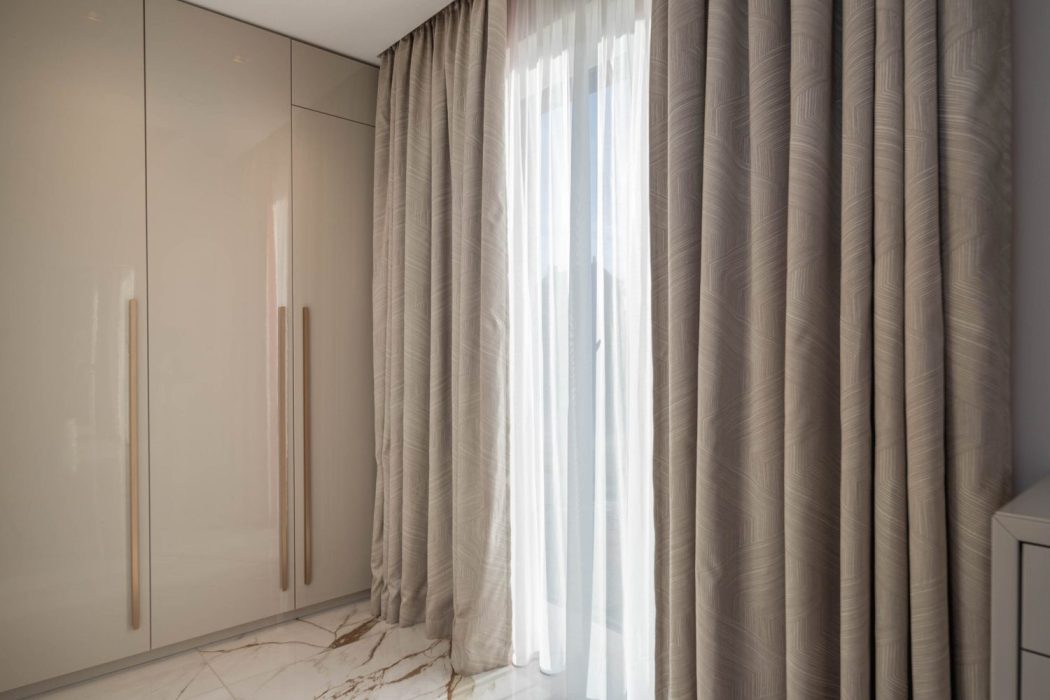
Interior Space Reflections
Interior Design Fees – Around 10%
When planning the overall project, it’s important to account for professional design fees from the outset. Depending on the scope of the project and the level of service required, around 10% of the total budget can be a useful starting point.
Interior design is sometimes still seen as an additional expense, something to consider once the rest of the budget has been established. In my experience, however, the greatest value of working with a designer often comes at the very beginning of a project.
When the layout, technical requirements, lighting, finishes, furniture and overall budget are considered together from the start, there is far less need for last-minute decisions during the renovation.
And it’s often those rushed changes, incorrect orders, unexpected alterations and poorly coordinated choices that lead to some of the most frustrating and costly budget overruns.
A Well-Planned Budget Starts with Your Priorities
Of course, these percentages are intended as a guide rather than a fixed formula to follow for every project. Some homes will require a greater investment in bespoke joinery, while others may involve more complex finishes or plumbing work. If you already own some of the furniture or appliances you intend to use, the proportions will naturally change too.
That’s why I approach every project by first considering the overall budget, the needs and priorities of the people who will live there, and the specific requirements of the property. Only then do we decide where it makes sense to invest more and where savings can be made without compromising the final result.
Ultimately, planning an interior design budget isn’t about choosing the cheapest option for everything, nor is it about selecting the most expensive. It’s about making considered decisions and investing in the things that will bring the greatest value to your home and the way you live in it.
> How to prepare for your first meeting with an interior designer?


