

Sockets and Switches: Small Details That Make a Big Difference
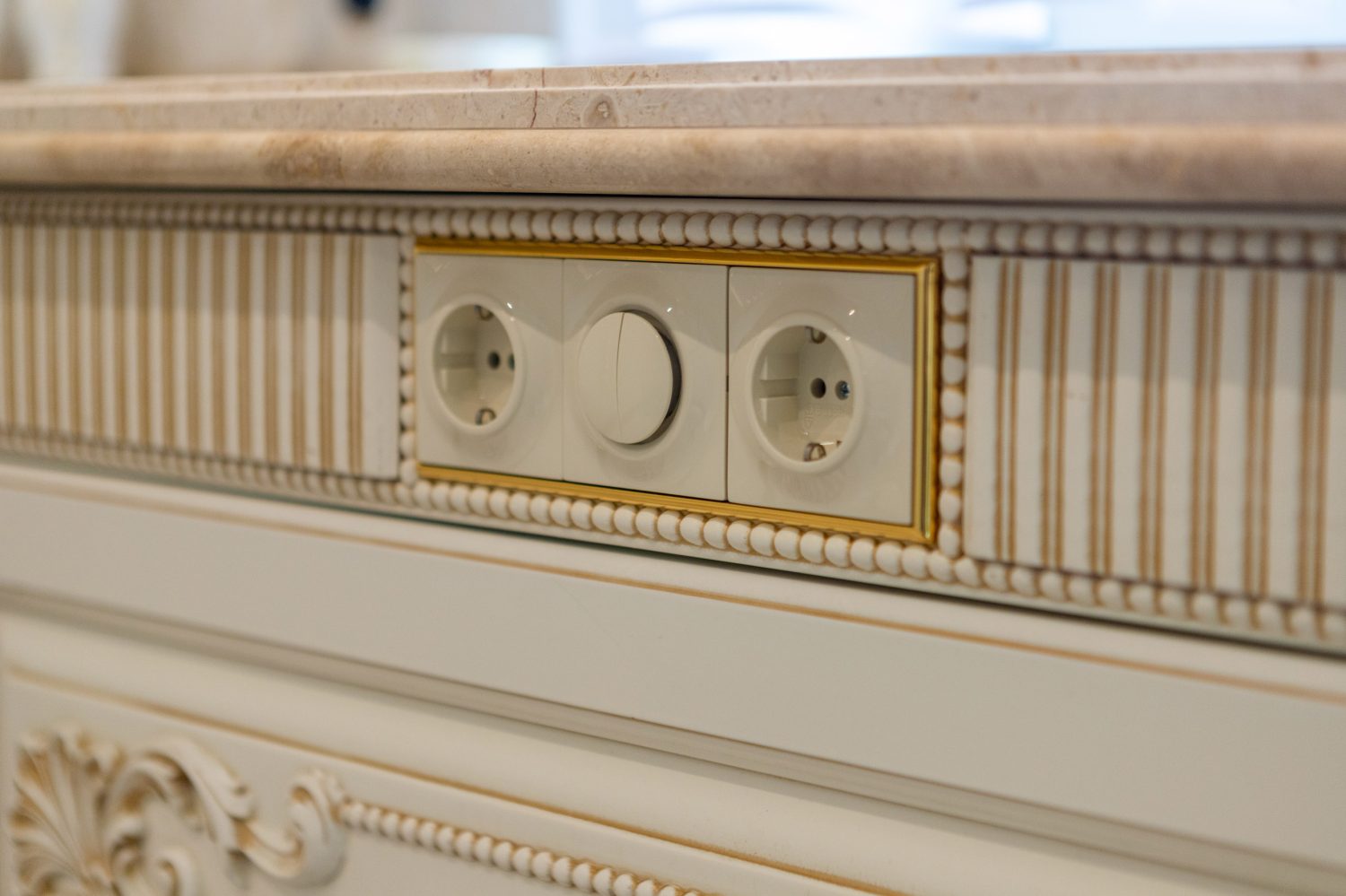
When designing a home, our attention naturally goes to the things we can see: the colours, materials, furniture and overall atmosphere we want to create. Yet some of the most important decisions are also the easiest to overlook. Electrical sockets and light switches might seem like minor details, but they have a surprisingly big impact on how comfortable a home feels in everyday life. It’s not simply about having enough sockets. It’s about placing them where they’re actually needed, making sure they’re easy to reach and considering how they’ll work alongside the furniture. After all, most of us have experienced the frustration of searching for an extension lead to charge a phone or having to walk across the room just to turn off the lights.
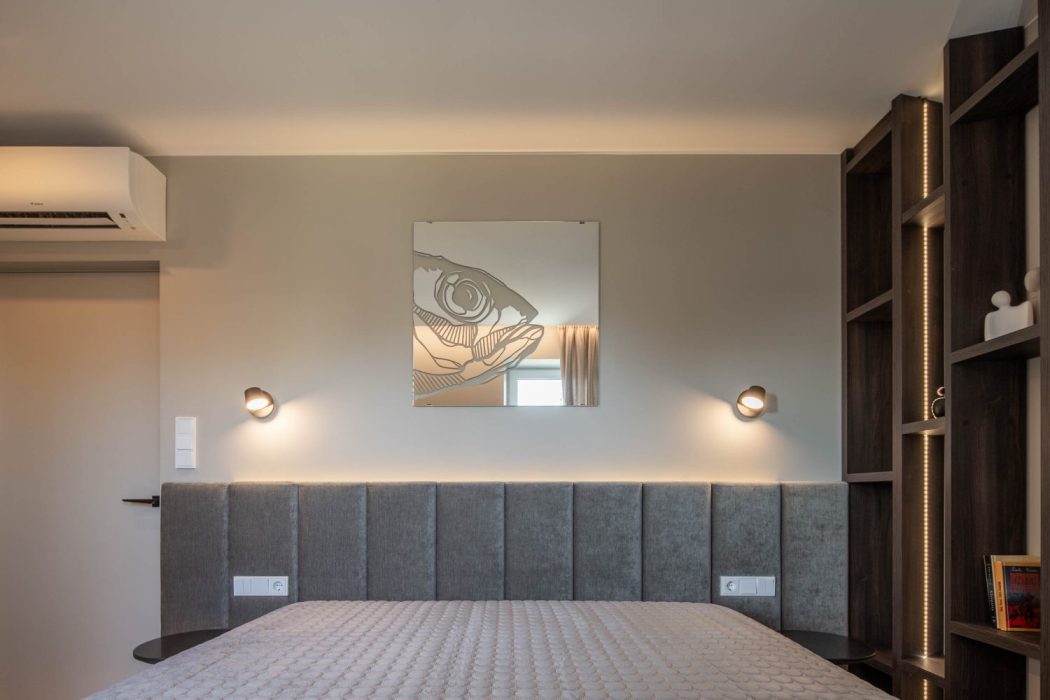
Over the years, working on different interior projects has taught me that electrical planning should never begin with randomly marking socket positions on a floor plan. It should begin with a carefully considered furniture layout. Once we know where the sofa, bed, dining table and workspace will be, we can start identifying exactly where electrical connections are needed. Take the bedroom, for example. It’s not enough to know where the bed will stand. We also need to consider its width, the height of the bedside tables, the type of lighting we’re planning and the habits of the people who will use the room. One person might only need somewhere to charge their phone, while another may want a bedside lamp, an alarm clock or additional devices within easy reach. These details seem obvious once we’re living in a space, but they’re surprisingly easy to forget during the planning stage.
Interior Playful comfort
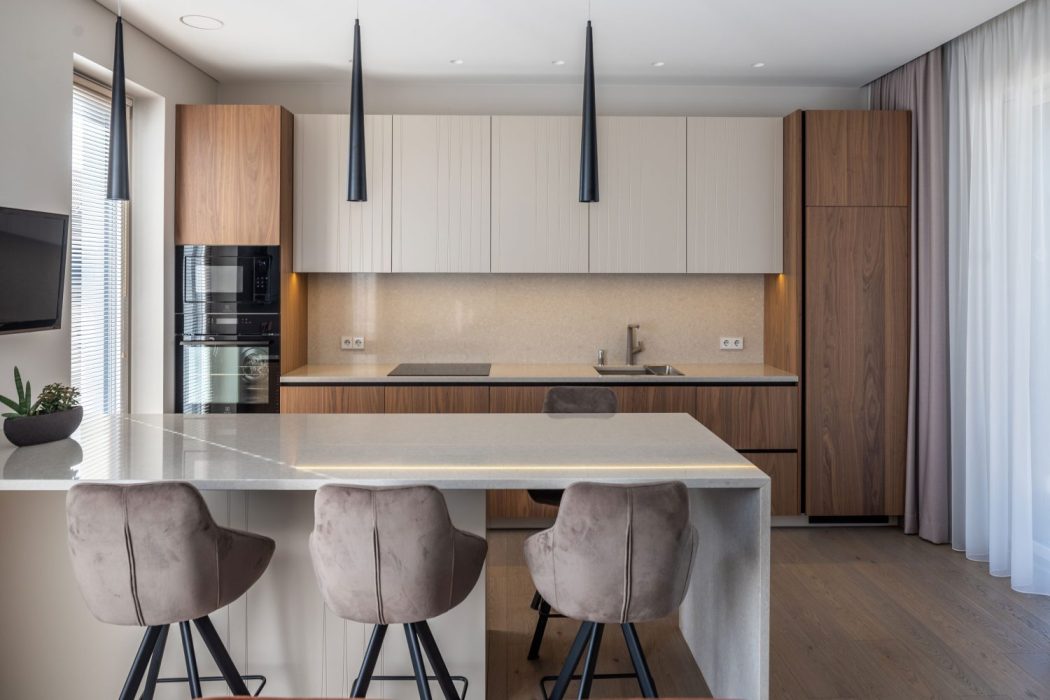
The kitchen is another area where thoughtful electrical planning is particularly important. Alongside major appliances such as the fridge, oven, hob and dishwasher, most kitchens have plenty of smaller everyday essentials: a coffee machine, kettle, toaster, blender and perhaps a few others. Before deciding where the sockets should go, it’s worth thinking about which appliances will stay on the worktop and which will be stored away and brought out only when needed. This makes it easier to create a practical layout without compromising the clean, uncluttered appearance of the kitchen. Socket positions also need to be carefully coordinated with the kitchen cabinetry and the technical requirements of each appliance. I often find that people want to hide as many sockets as possible, which is understandable from an aesthetic point of view. However, a beautifully concealed socket isn’t much use if it’s awkward to access every time you need it. As with so many aspects of interior design, the best result comes from finding the right balance between appearance and practicality.
Interior Quiet holiday home
Light switches deserve just as much thought. We’re used to having the main switch beside the door, but that isn’t always the most convenient arrangement. In a bedroom, for instance, being able to switch off the main lighting without getting out of bed makes everyday life that little bit easier. In a long hallway, it’s useful to control the lights from both ends, while in the living room, separate lighting circuits allow us to adjust the atmosphere depending on what we’re doing. Bright general lighting might be ideal during the day, but in the evening, we often prefer something softer and more relaxed. This is why I like to think through the way a room will actually be used throughout the day before finalising the lighting plan. When everything is positioned intuitively, you don’t have to think about where the switches are or how the lighting works. It simply feels natural.
Interior Mature harmony
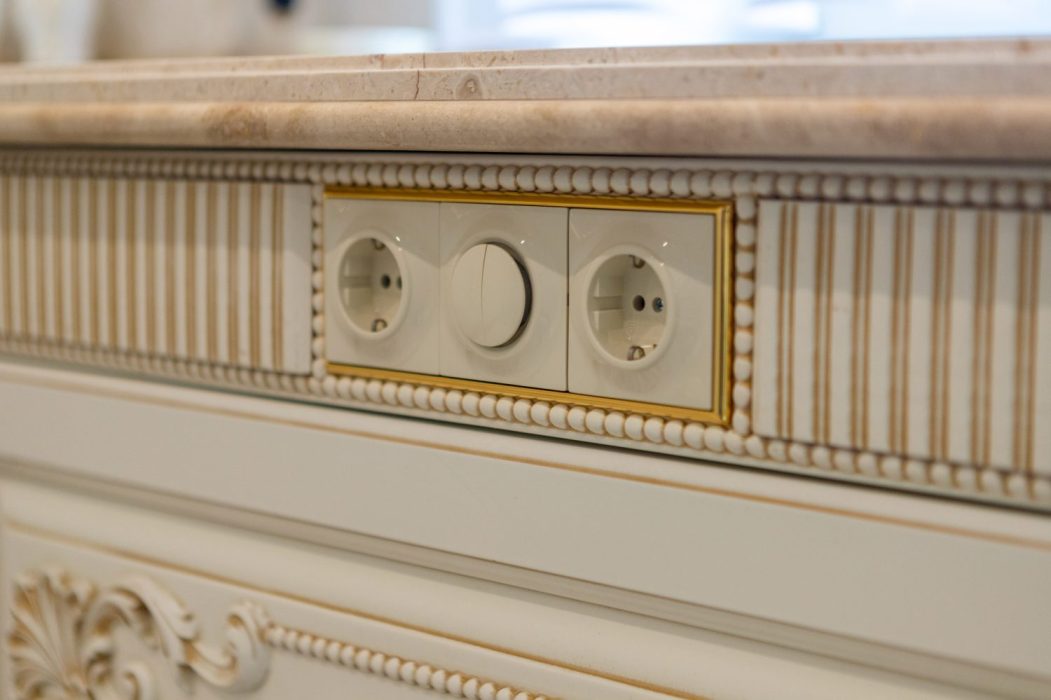
Of course, sockets and switches are no longer purely functional elements. Today, there’s a wonderful variety of finishes, materials, shapes and colours to choose from, allowing them to become part of the overall interior design. In some spaces, the aim is to make them blend almost seamlessly into the walls. In others, a carefully chosen finish can turn them into a subtle design feature. What matters most to me is that they feel consistent with the rest of the interior. Even the smallest details can contribute to a sense of harmony when they’re considered as part of the bigger picture rather than added at the very end.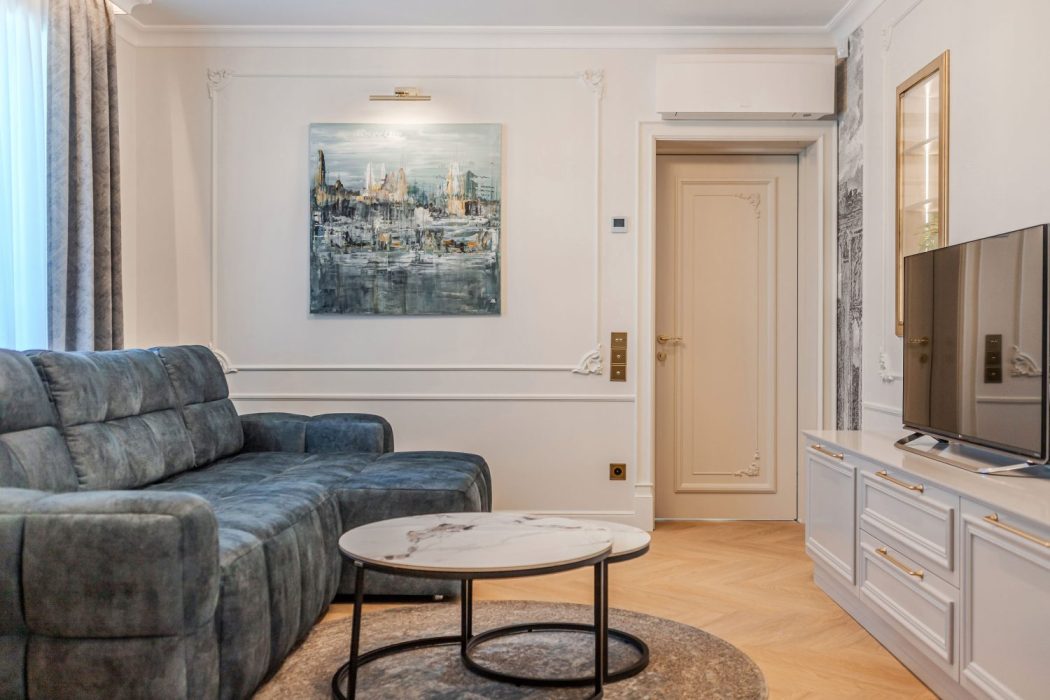
Interior When classic becomes emotion
It’s also worth leaving a little room for future needs. Perhaps you’ll eventually add a home office, change the furniture arrangement or introduce another lamp or electrical device. We can’t predict everything, but planning a few additional sockets in carefully chosen locations can save a lot of inconvenience later on. Naturally, electrical safety must always come first, particularly in bathrooms, near water sources or when dealing with high-powered appliances. These decisions should always be checked with a qualified electrician and comply with the relevant safety requirements.
Ultimately, a well-designed home isn’t just about beautiful furniture and carefully selected materials. It’s also about all those small decisions that make everyday life feel effortless. That’s why I always encourage my clients to give sockets and switches the attention they deserve while the interior is still being planned. Often, the most successful design solutions are the ones we barely notice once we’re living with them, simply because everything is exactly where it should be.
Skaitykite daugiau:


